Why Combine Hiking and Wine Culture?
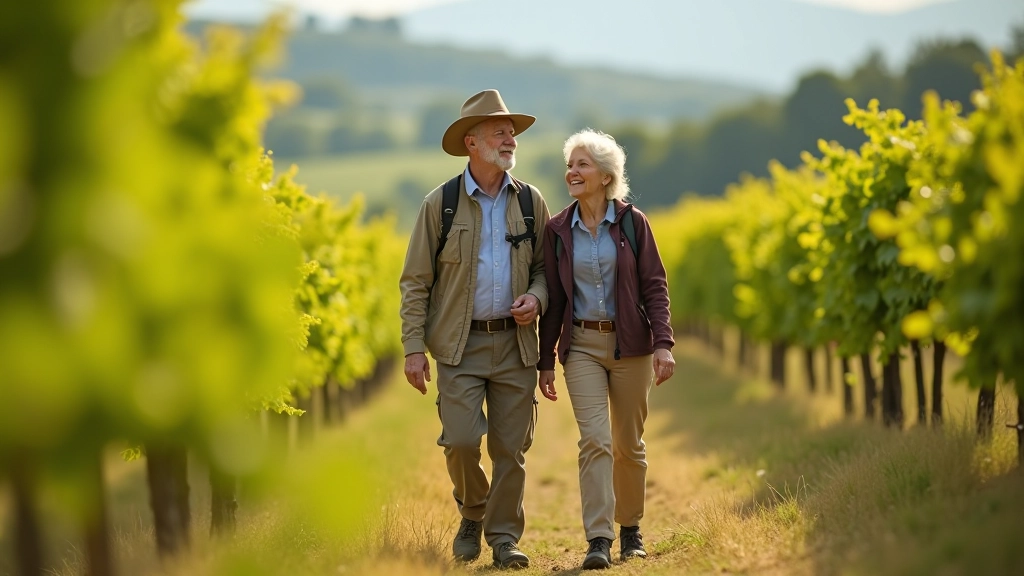
Walking through vineyards isn't just about getting exercise.
It's about connecting with how locals actually live. You're
not just passing through landscapes — you're stepping into
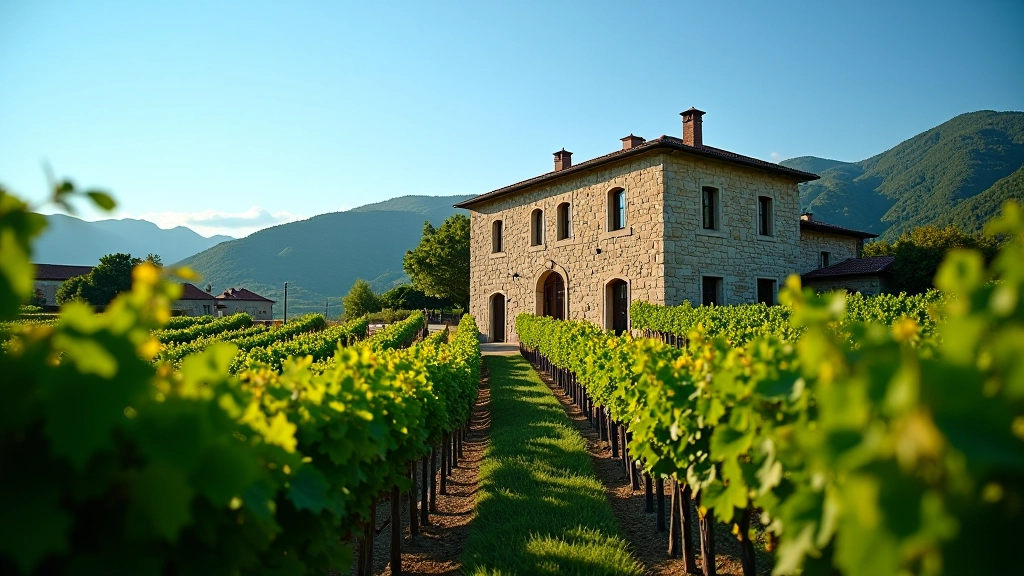
centuries of tradition. The Pálava wine route connects small
family wineries, historic villages, and stunning views. Most
people don't realize how manageable these walks are. The
terrain varies, but you'll find sections suitable for steady
hikers who want something more meaningful than a typical loop
trail.
Here's the thing: combining hiking with local culture gives
you permission to slow down. You're not rushing to complete a
distance. You're stopping at a winery, chatting with a
vintner, tasting something made 10 kilometers away. It's a
completely different experience from structured hiking routes.
Planning Your Wine Route Walk
The most practical approach? Pick a 5-7 kilometer base route
and build in wine stops along the way. Don't aim for 15
kilometers if you're including tastings — your legs and your
appetite will tell you that's too much. The main routes from
the Pálava visitor center take you through three distinct
wine villages: Perná, Nový Přerov, and Mikulov.
Start early, around 9 AM. You'll miss crowds and you've got
the whole day ahead. Bring water — more than you'd normally
need for a hike because wine on an empty stomach isn't
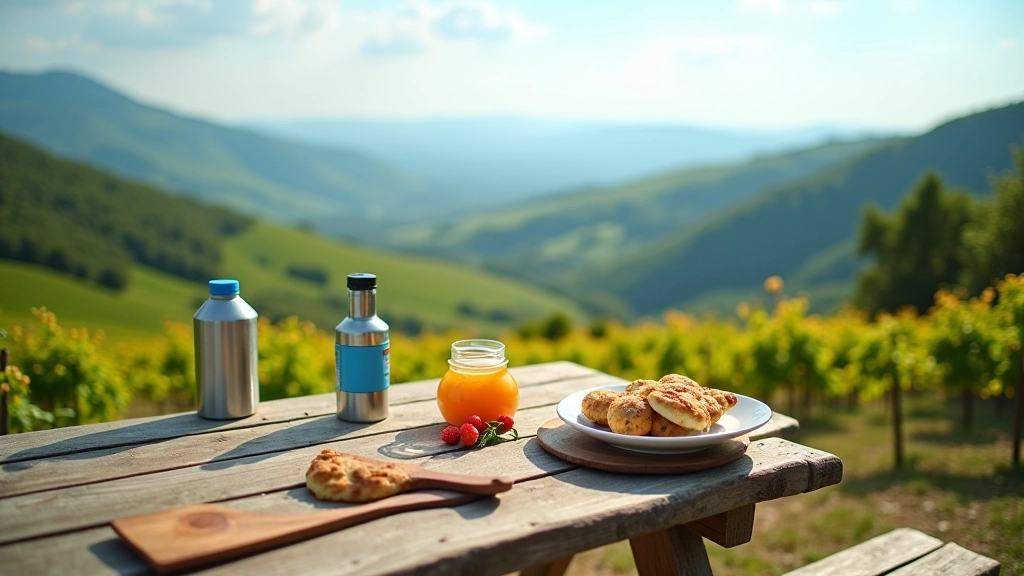
ideal. Pack light snacks: almonds, fruit, cheese. The idea
is to arrive at wineries with some appetite, not ravenous.
Key Planning Steps
-
Choose 2-3 wineries to visit (don't try more)
-
Map the walking route between them
-
Call ahead — some wineries close between 12-2 PM
-
Allow 2 hours per winery visit minimum
What to Expect at Local Wineries
Most small family wineries in Pálava aren't fancy tasting rooms.
You'll find owners who genuinely want to talk about their wine —
how they chose the grapes, why they make certain decisions. It's
personal. They'll pour you tastes (usually 4-6 samples) and
won't pressure you to buy. If you do want to purchase, a bottle
costs 200-400 CZK. You can absolutely visit without buying
anything.
The experience is slower here. Someone might spend 20 minutes
explaining why their 2019 vintage matters. This isn't a rushed
tour. It's a conversation. You're sitting in cellars that've
been there for generations, sometimes literally built into the
hillside. The coolness of stone, the smell of aging wine, the
quiet — it's the opposite of rushed tourism.
Pacing and Fitness Considerations
Let's be honest: wine tastings involve standing and walking.
Your legs will feel it more than they would on a straight
hiking day. Build in rest time. Don't schedule a steep climb
immediately after leaving a winery. The villages themselves
are built on hillsides, so there's always some elevation,
but nothing extreme if you choose the right routes.
The Perná to Nový Přerov route is about 6 kilometers with
roughly 150 meters of elevation gain spread across the
distance. It's steady but not punishing. You're not training
for anything — you're enjoying a day. If you need to adjust,
the paths have plenty of places to rest. Stone walls,
benches near viewpoints, shaded spots under trees.
What we've learned from years of leading these walks: the
slower pace actually suits people better. You see details.
You notice wildflowers. You have energy left for
conversation and genuine connection with the places you
visit.
Food, Accommodation, and Getting Around
Pack a substantial lunch if you're doing a full day. Most
wineries won't serve meals — maybe some cheese and bread if
you're lucky. Bring sandwiches, vegetables, fruit. Eat before
you start tasting wine heavily. There's a café in Perná if you
need something prepared, but don't rely on it being open.
If you're visiting from elsewhere, Mikulov (the largest town)
has hotels and guesthouses. Many visitors stay 2-3 days, doing
different routes each day. The accommodation ranges from basic
to quite nice. Staying overnight means you can actually enjoy
wine without worrying about driving — you can walk back to your
place afterward.
Getting there: Mikulov is 50 kilometers south of Brno. Buses run
regularly from Brno's main station. If you're driving, parking
is easy in the villages. The whole region is designed around
walking — once you're there, you don't need a car.
Making It Meaningful
The real value of a wine route walk isn't the kilometers or even
the wine itself. It's the chance to move through a landscape
slowly enough to actually see it. To meet people who've lived
there their whole lives. To understand why they chose to make
wine in this specific place. You'll come back tired in a good
way — muscles used, lungs filled with fresh air, mind quieter
than when you started.
Plan for spring or early autumn. Summer gets hot in the
vineyards with minimal shade. Late spring (May-June) and early
autumn (September) have perfect conditions. You're moving at a
walking pace through beautiful country, stopping regularly, so
weather matters less than it does for serious hiking. Bring
layers — mornings are cool, afternoons warm up.
One last thing: don't over-schedule. If you're enjoying a
conversation at a winery, stay longer. If a view stops you in
your tracks, sit for 20 minutes. That's the whole point. You're
not collecting checkmarks on a route. You're having an
experience.