What to Pack for a Day on the Trails
We've learned what actually matters through years of hiking these routes. Water, sun protection, snacks that work — here's the essentials list without the extra weight.

Start Simple, Stay Comfortable
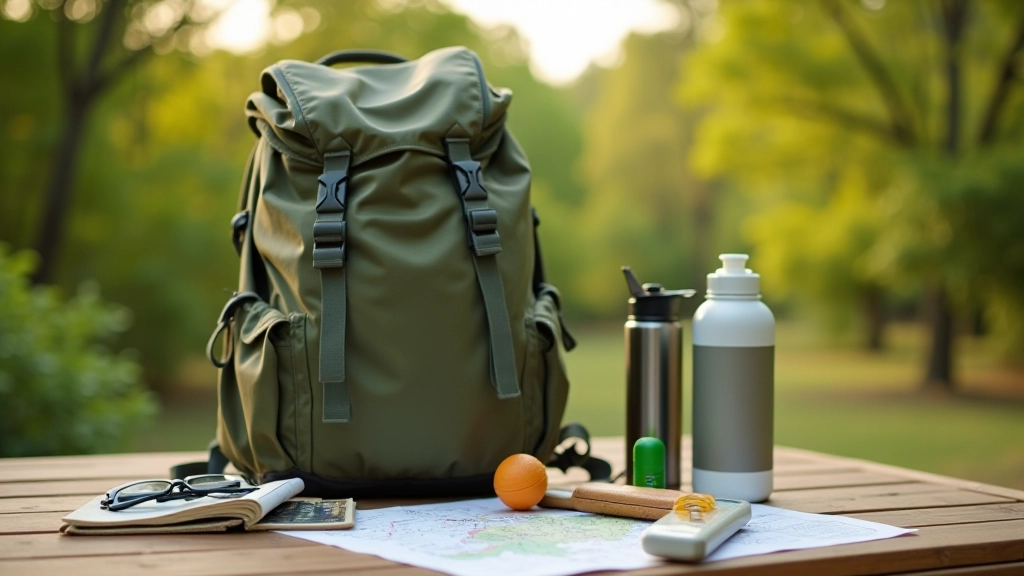
The best hiking kit isn't about having everything. It's about having the right things. When you're exploring trails around Pálava for a few hours, you don't need a heavy backpack that'll tire you out before you reach the halfway point.
We've seen people show up with gym bags and hiking boots, unprepared for the sun or a sudden breeze. We've also watched others lug around 20 pounds of gear they never touch. There's a sweet spot in between.
The golden rule: If you can't explain why you're carrying something, leave it at home.
Water is Non-Negotiable
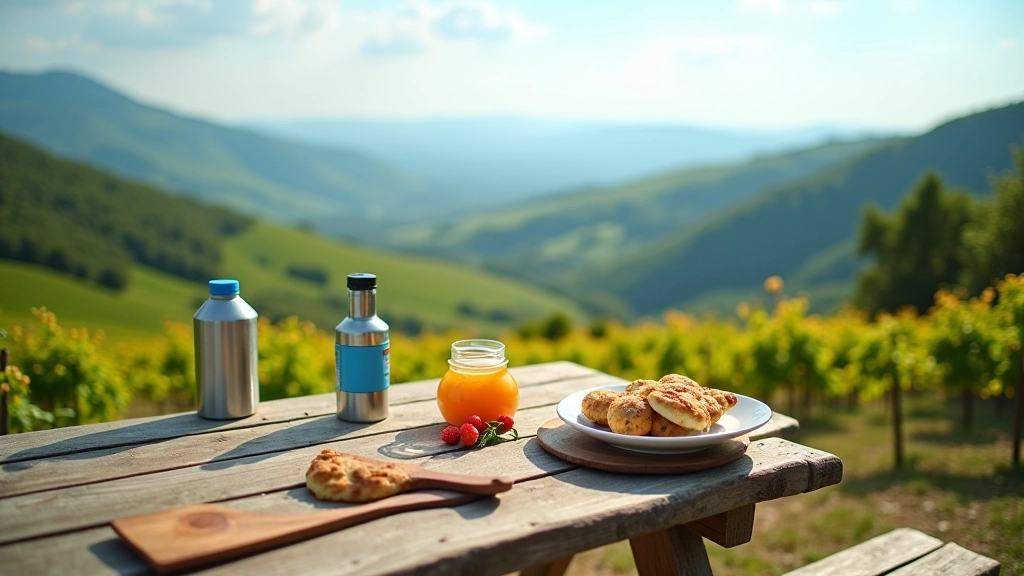
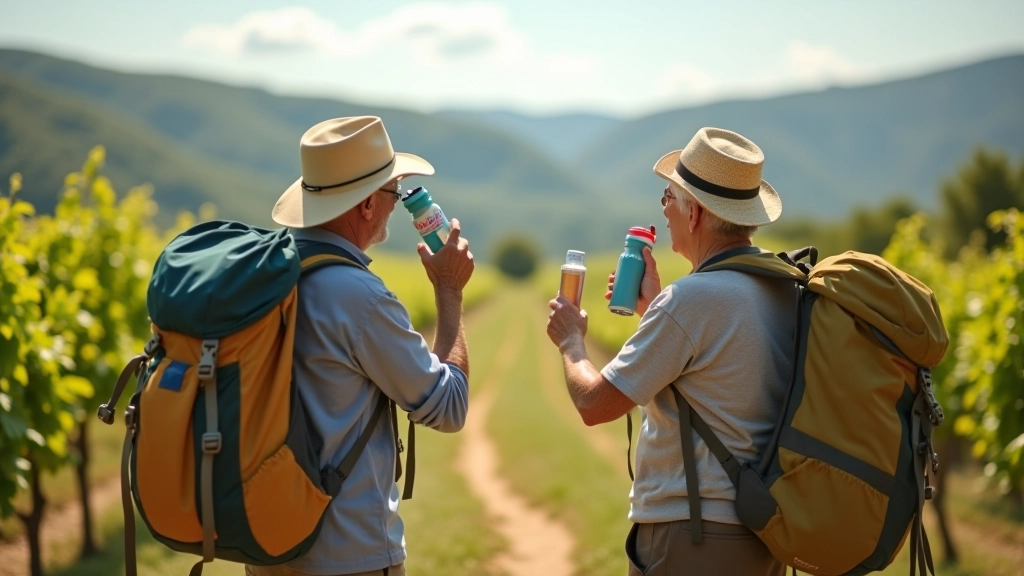
You'll want at least 1.5 to 2 liters for a full day on the trails. Not the fancy bottles — a regular 750ml reusable bottle works fine, and you can refill at the villages if you're doing a longer loop.
The thing is, you won't realize how much you need water until you're halfway up a sunny slope and your mouth's dry. We've noticed people drink more when they actually have it with them. Sounds obvious, but you'd be surprised.
- Lightweight reusable bottle (plastic, not glass)
- Insulated bottles keep water cooler on hot days
- Check trail fountains ahead — some villages have water points
- Drink before you're thirsty — don't wait for signals
Sun, Wind, and Weather Protection
The Pálava hills don't have dense forest everywhere. You'll spend good time in the open, especially on ridge walks and vineyard paths. That sun hits different when you're moving uphill, even in spring or autumn.
A good wide-brimmed hat keeps the sun off your face and neck. Sunscreen — SPF 30 minimum — gets reapplied after 2 hours or if you've been sweating. And yes, even if it's cloudy, the UV still gets through. We've seen people get burned on gray days.
Pro tip:
Pack a lightweight layer — a fleece or thin windbreaker. Temperatures drop as you climb, and that 10-minute summit stop becomes uncomfortable fast if you're sweating and suddenly cooling down.
Snacks That Actually Work
Don't skip food. A 4-5 hour hike with elevation changes burns real calories. You'll notice your legs feel different — heavier, less responsive — when your energy dips.
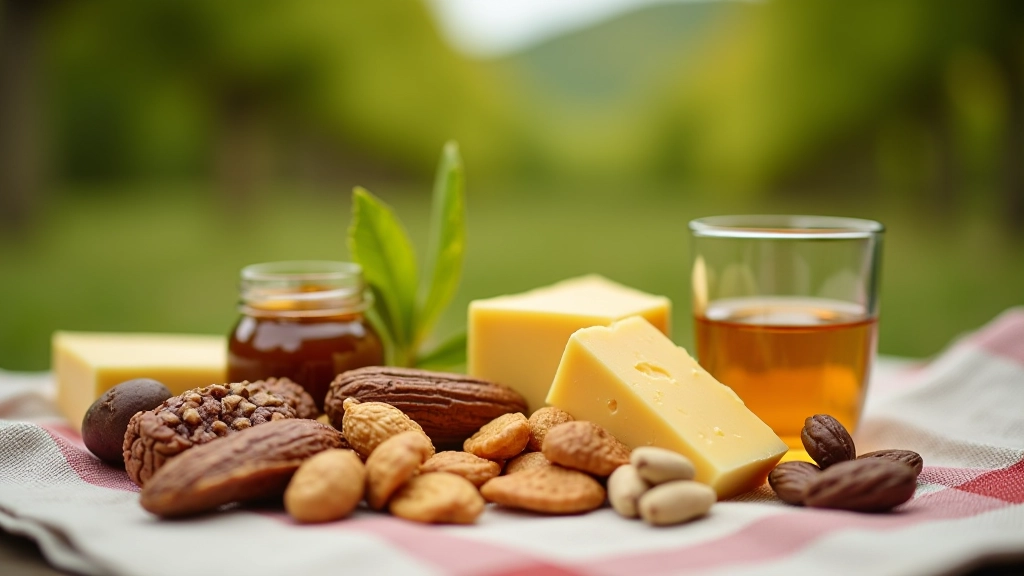
Mix fast carbs with protein. A handful of nuts, some dried fruit, a hard cheese wedge — these travel well and don't need refrigeration. Energy bars work too, though they're pricier. And honestly? A piece of dark chocolate isn't a luxury. It's a morale boost that weighs almost nothing.
Quick Energy
Dried fruit, energy bars, dates
Sustained Energy
Nuts, seeds, cheese, jerky
Salt & Electrolytes
Trail mix with salt, pretzels, electrolyte tabs
The Rest of Your Kit
Beyond water, sun protection, and snacks, there's a short list of things you really should have.
Map or GPS
Even if you know the trail, trails sometimes fork or aren't clearly marked. A phone with offline maps or a printed route works. We're not saying you'll get lost, but knowing where you are takes stress out of the walk.
Comfortable Footwear
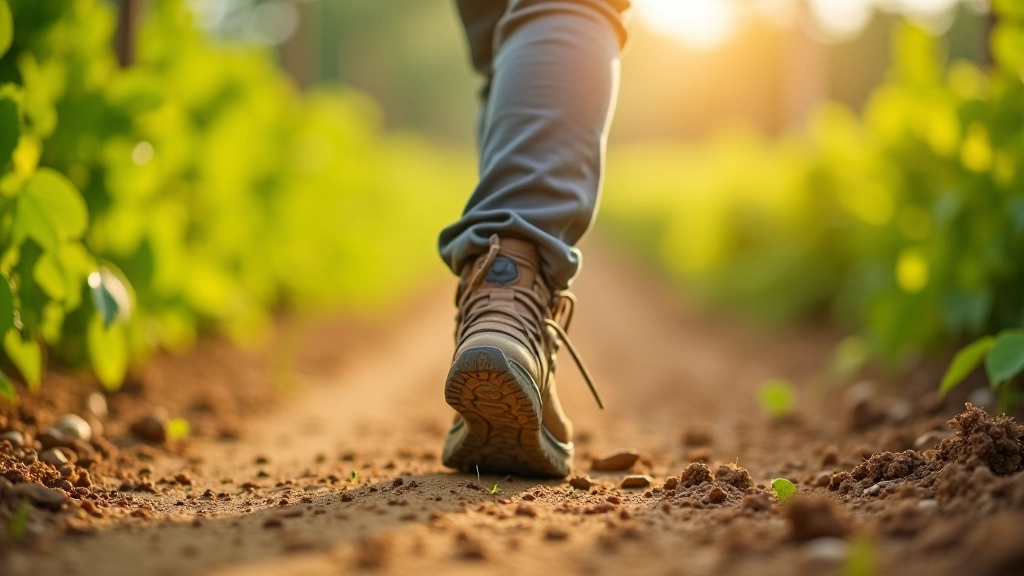
Hiking boots or sturdy trail shoes with good ankle support. Your feet take all your weight for 4-5 hours. Broken-in matters. Blisters from new shoes will ruin a perfect day.
First Aid Basics
Blister patches, bandages, pain reliever, antihistamine. A small pack weighs almost nothing and saves the day when something goes wrong. Twisted ankle? Unexpected allergic reaction? You're covered.
Phone & ID
Your phone for emergencies and offline maps. ID in case something happens. We're not being dramatic — it's just smart preparation that takes no space.
Tissues or Handkerchief
For runny noses (wind and exertion), cleaning hands, or minor spills. Takes up no room and you'll use it.
Headlamp or Flashlight
Only if you're starting early or planning a late finish. Just in case the light fades faster than expected, you're not fumbling in the dark walking down.
Pack Light, Hike Comfortable
The weight of your pack matters more than you'd think. Even 5 extra pounds that you don't need gets heavy after a couple hours. Every item should earn its spot.
Start with these essentials, then adjust based on your actual experience. You'll quickly figure out what you reach for and what stays untouched. That's your personal perfect kit — and it might be different from someone else's. That's fine.
The trails around Pálava are beautiful and varied. A few hours exploring them shouldn't feel like work. Good gear — the right gear, not the most gear — makes the difference between a great day and a tired day.
Important Note
This article provides general hiking guidance for outdoor recreation. Every person's fitness level and health needs are different. If you have any medical conditions or concerns about your ability to hike, consult with your healthcare provider before starting a new outdoor activity. Always check weather conditions before heading out, stay aware of your body's signals, and don't hesitate to turn back if you're uncomfortable or tired. Hiking is meant to be enjoyable — listen to yourself.
More Hiking Guides