Choosing the Right Trail for Your Fitness Level
Not all routes are the same. We've broken down each trail by elevation gain, distance, and difficulty so you can pick one that matches where you're at right now.

Getting Started: Know Yourself First
Before you lace up your boots, it's important to be honest about where you're starting from. We're not talking about judgment here — we're talking about safety and enjoyment. Different trails demand different things from your body, and matching the right trail to your current fitness level means you'll actually have fun instead of struggling.
We've hiked every major route in the Pálava region hundreds of times. We've seen what works, what doesn't, and what catches people off guard. Most folks can tackle more than they think — they just need the right starting point.
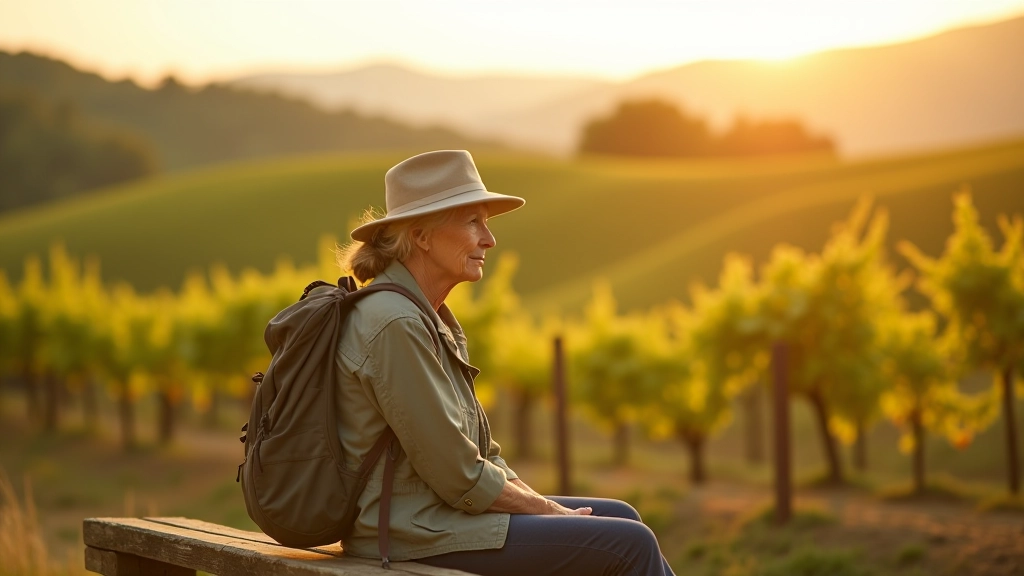
Understanding Fitness Categories
There's no single measure of fitness that works for everyone. Someone might have great cardiovascular endurance but weak knees. Another person might be strong but get winded quickly. That's why we've broken trails into categories based on what actually matters on the ground.
1
Easy
Flat terrain, minimal elevation change. Under 2km. You can chat comfortably the whole time. Perfect for getting back into hiking after a break.
2
Moderate
Some hills, 100-200m elevation gain. 3-4km. You'll feel your heart working. Takes about 1.5 hours at a steady pace.
3
Challenging
Steeper sections, 300m+ elevation gain. 5-6km. Requires regular training. Gives real satisfaction when you finish.
What Actually Matters on the Trail
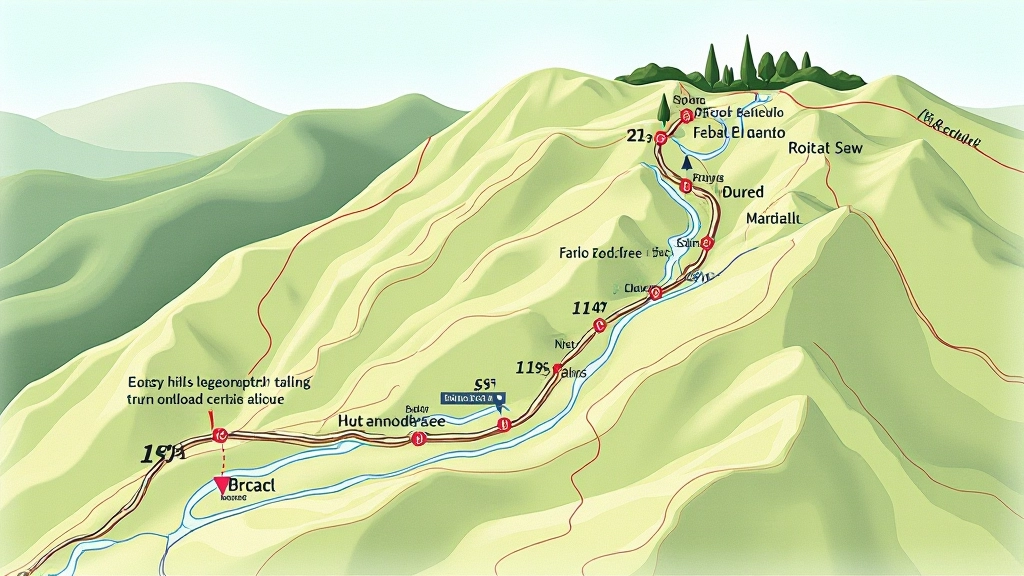
Elevation gain beats distance every time. You might think a 5km walk is harder than a 3km walk — but if that 3km has 300m of climbing, it'll wear you out much faster. Our knees feel the descent more than the ascent. Your legs burn climbing, but your joints take a beating coming down.
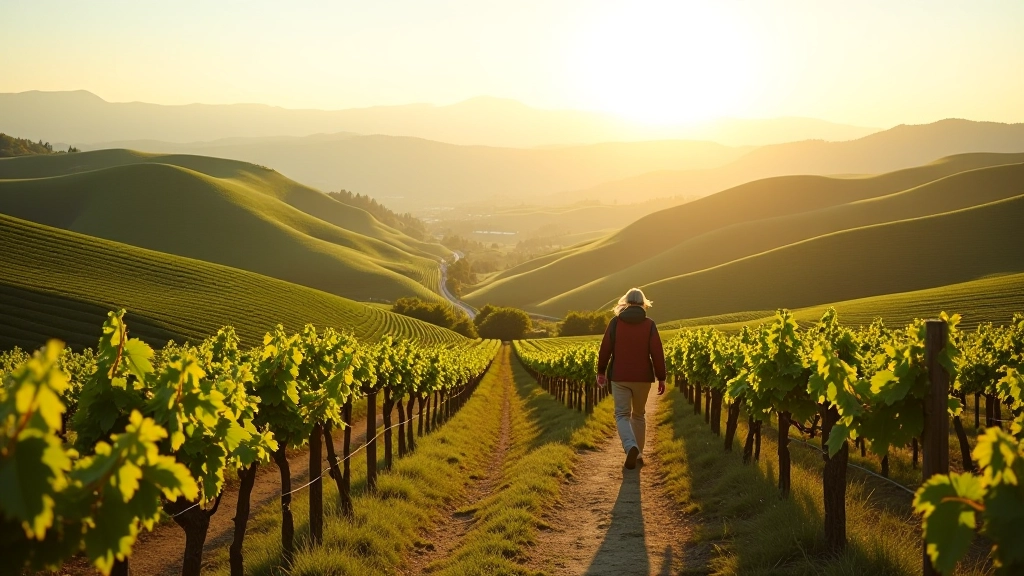
Surface matters too. The packed dirt trails near the vineyards are forgiving. Loose gravel or rocky sections require more balance and core strength. If you've got weak ankles or balance issues, we'd skip anything with loose rocks until you've built up strength.
Don't forget about shade. Hiking 3km in full sun feels totally different than 3km through shaded forest. Many Pálava routes have good tree cover, which helps in warmer months. But spring hikes might leave you exposed on some sections.
How to Start: A Simple Approach
1
Pick an Easy Trail First
Doesn't matter which one. You want to understand what a full hike feels like without pushing yourself. Spend a session just getting the rhythm of it — your breathing, your pace, how your body responds.
2
Do That Route 2-3 Times
You'll feel stronger each time. Your legs adapt. Your cardio improves. By the third time, it'll feel genuinely easy. That's when you're ready to step up.
3
Add a Moderate Route
Start with just a bit more elevation or distance. Don't jump from easy to challenging. Your body needs time to adapt. Most people can go from easy to moderate in about 4 weeks.
Practical Tips for Choosing Smart
Listen to Your Body
Tired legs are normal. Sharp pain isn't. If something hurts beyond the usual muscle fatigue, stop. Don't push through it trying to prove something.
Bring More Water Than You Think
Dehydration sneaks up. You don't feel thirsty until you're already low. We bring at least 1.5 liters for even short hikes.
Invest in Good Boots
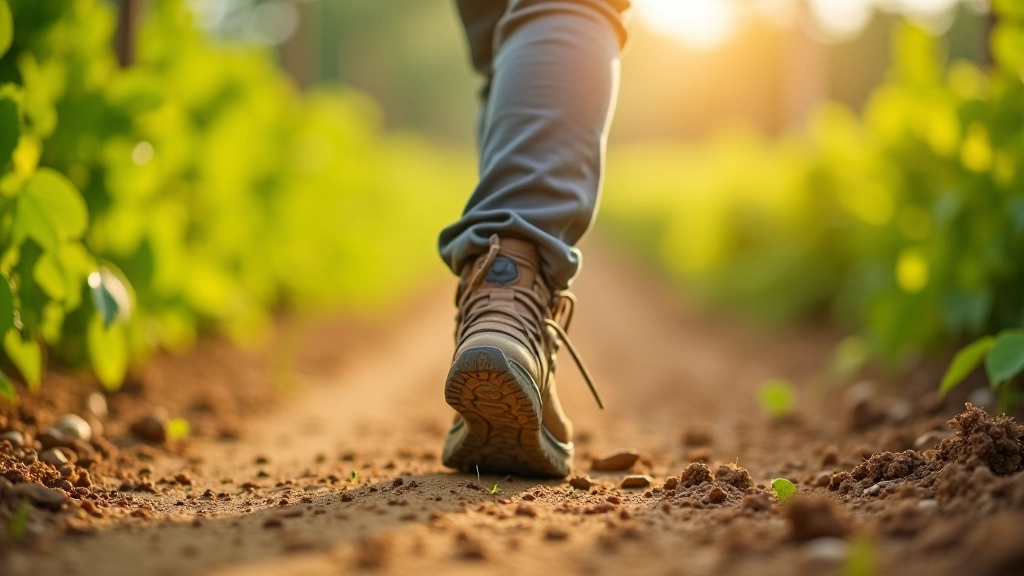
Your feet are everything on a trail. Proper hiking boots aren't cheap, but they prevent blisters and ankle problems that'll keep you off trails for weeks.
Time It Right
Early morning hikes are cooler and less crowded. You'll finish before lunch and have the rest of your day free.
You're Ready to Start
Hiking isn't a competition. You're not racing anyone. The whole point is to get outside, feel your legs working, breathe fresh air, and enjoy the Pálava landscape. Start with a trail that feels comfortable. Build from there. And remember — every expert hiker started exactly where you are now, feeling a bit uncertain about what they could handle.
Pick a trail. Go this weekend. You'll surprise yourself with what you can do.
Important Note
This guide provides general information about hiking trails and fitness levels. Every person's health and fitness is unique. If you have any medical conditions, recent injuries, or concerns about your fitness level, consult with your doctor before starting any hiking program. Trail conditions change with weather and seasons — always check current conditions before heading out. This information is educational and not a substitute for professional medical or fitness advice.
Continue Reading